



Filtrer par
14 résultats
Exporter les résultats sélectionnés
Sélectionner tous les résultats de la page

-
Notice détaillée
Titre :
Chemical Purification, Analysis and Screening core facility: overcoming challenges of natural product research in drug discovery
Intervenant principal :
Calcul, LaurentEdition :
Université des Antilles (2015-....), Association de Recherche en Epidémiologie et en Biodiversité, Groupe de recherche BIOSPHERES (Martinique)
Lieu :
Schœlcher
Date :
18 juin 2019
Extrait de :
1er colloque international BIOSPHERES, du 18 au 20 juin 2019
Type :
Vidéo - Colloque & conférence
Résumé :
The CPAS offers instrumentation and expertise in fractionation, purification, and various chemical analyses to support research groups for drug discovery of synthetic and natural products. An example of three important studies will be presented at the conference to illustrate the basic services of CPAS., Le CPAS offre une instrumentation et une expertise dans le fractionnement, la purification et diverses analyses chimiques pour soutenir les groupes de recherche pour la découverte de médicaments de produits synthétiques et naturels. Un exemple de trois études importantes sera présenté lors de la conférence pour illustrer les services de base de CPAS.
Langue :
Anglais
Mots-clés :
- - - - -Conditions d'utilisation :
CC-BY-NC-ND - Attribution - Pas d'utilisation commerciale - Pas de modification
Provenance :

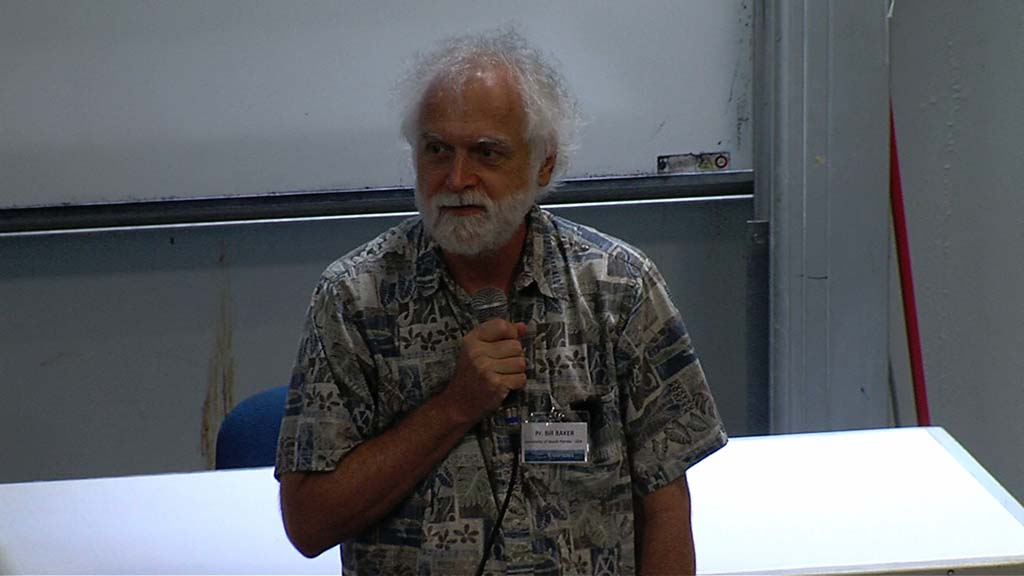
-
Notice détaillée
Titre :
Chemistry and bioactivity of Antarctic marine organisms
Intervenant principal :
Baker, Bill James (1958-....)Edition :
Université des Antilles (2015-....), Association de Recherche en Epidémiologie et en Biodiversité, Groupe de recherche BIOSPHERES (Martinique)
Lieu :
Schœlcher
Date :
18 juin 2019
Extrait de :
1er colloque international BIOSPHERES, du 18 au 20 juin 2019
Type :
Vidéo - Colloque & conférence
Résumé :
Antarctica is a continent of enigmas. Stunning geographic beauty belies its inhospitable climate. Covered a mile thick in ice, it is the world's largest desert. A harsh geographic history has contributed to marine diversification and enhanced what we now recognize as a rich flora and fauna. Not surprisingly, Antarctic benthic ecology is highly dependent on chemical mediation of interspecific interactions, interweaving chemodiversity with biodiversity in a classical yin and yang feedback loop. The evolution of selective chemical defenses facilitates drug discovery research, producing suites of metabolites that inform structure-activity studies and add breadth to bioactivity profiles. This presentation will focus on recent and contextual research from our lab which has demonstrated the potential for new biomedical lead molecules and scaffolds from these difficult to access biological resources.
Langue :
Anglais
Mots-clés :
- - - - -Conditions d'utilisation :
CC-BY-NC-ND - Attribution - Pas d'utilisation commerciale - Pas de modification
Provenance :
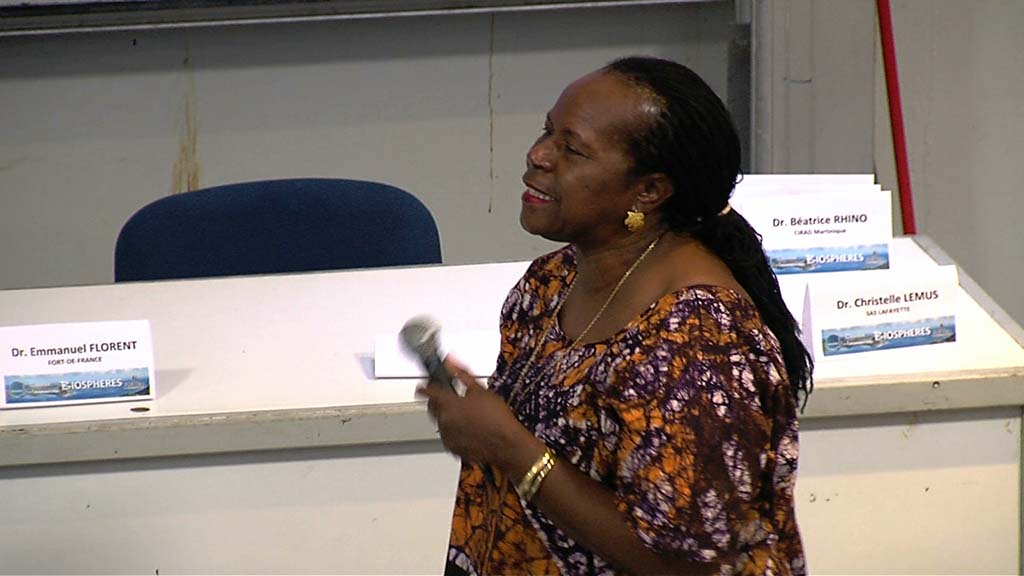
-
Notice détaillée
Titre :
De la mouche Drosophile à l'expression des gènes chez l'humain
Intervenant principal :
Paulin, YolèneEdition :
Université des Antilles (2015-....), Association de Recherche en Epidémiologie et en Biodiversité, Groupe de recherche BIOSPHERES (Martinique)
Lieu :
Schœlcher
Date :
18 juin 2019
Extrait de :
1er colloque international BIOSPHERES, du 18 au 20 juin 2019
Type :
Vidéo - Colloque & conférence
Résumé :
Drosophila often offers many benefits as an experimental organism. The Dead Ringer gene (dri) of the melanogaster fruit fly is a member of the newly discovered eukaryotic gene family ARID-box. In these international seminars, a global understanding of these molecules and a better knowledge of their specific targets and their functional interactions in the control of decisions and the development of cellular destiny are exposed. Sustained mosquito control efforts are important to prevent outbreaks of dengue, chikungunya, malaria and zika. The discovery of the functions of AT-rich genes in the prevention of mosquito diseases is the central objective to raise the hypothesis of progress., La drosophile offre souvent de nombreux avantages en tant qu’organisme expérimental. Le gène Dead Ringer (dri) de la drosophile mélanogaster est un membre de la famille de gènes eucaryotes ARID-box récemment découvert. Dans ces séminaires internationaux, sont exposés une compréhension globale de ces molécules et une meilleure connaissance de leurs cibles spécifiques et de leurs interactions fonctionnelles dans le contrôle des décisions et du développement du destin cellulaire. Des efforts soutenus de lutte contre les moustiques sont importants pour prévenir les épidémies de dengue, de chikungunya, de paludisme et de zika. La découverte des fonctions des gènes AT-rich dans la prévention des maladies des moustiques est l’objectif central pour soulever l’hypothèse de progrès.
Langue :
Français
Conditions d'utilisation :
CC-BY-NC-ND - Attribution - Pas d'utilisation commerciale - Pas de modification
Provenance :
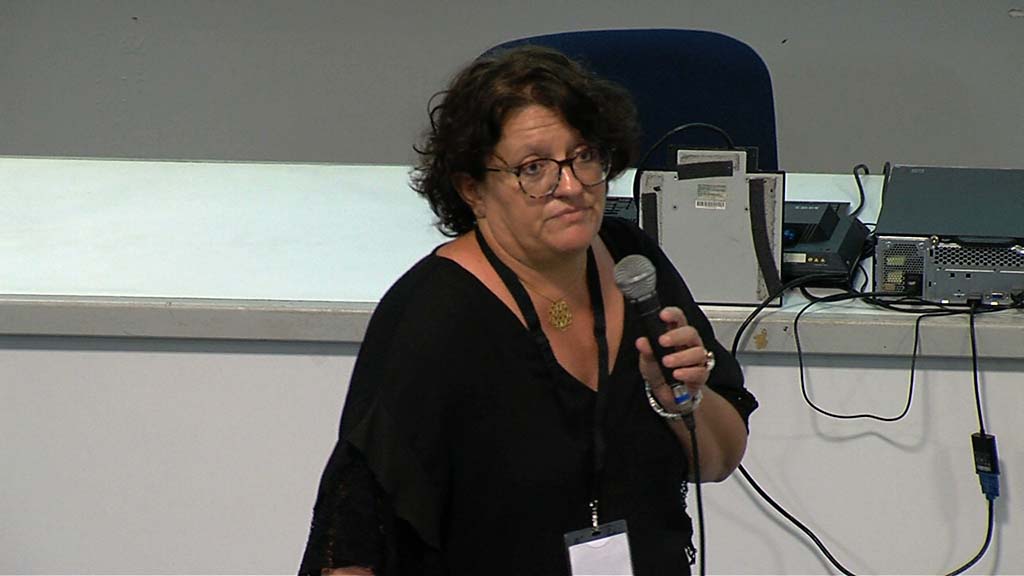
-
Notice détaillée
Titre :
La contamination des organismes aquatiques par la chlordécone : quels impacts sur leur santé ?
Intervenant principal :
Lemoine, SoazigEdition :
Université des Antilles (2015-....), Association de Recherche en Epidémiologie et en Biodiversité, Groupe de recherche BIOSPHERES (Martinique)
Lieu :
Schœlcher
Date :
18 juin 2019
Extrait de :
1er colloque international BIOSPHERES, du 18 au 20 juin 2019
Type :
Vidéo - Colloque & conférence
Résumé :
Chlordecone is a persistent organochlorine pesticide widely used between 1972 and 1993 in the French West Indies to control the root borer in banana fields. Chlordecone use resulted in long-term pollution of soils, contamination of waters, of aquatic organisms, and of fields. Chlordecone is known to be neurotoxic, to increase prostate cancer, and to have negative effects on cognitive and motor development during infancy. In Guadeloupe, most of the freshwater species living in contaminated rivers exceed the French legal limit of 20 ?g·kg?1 wet weight. In the present study (ANR MACHLOMA), we chose a transcriptomic approach to study the cellular effects of chlordecone in the giant freshwater prawn Macrobrachium rosenbergii, an important economical species in Guadeloupe.
Langue :
Français
Mots-clés :
- - - -Conditions d'utilisation :
CC-BY-NC-ND - Attribution - Pas d'utilisation commerciale - Pas de modification
Provenance :
